red
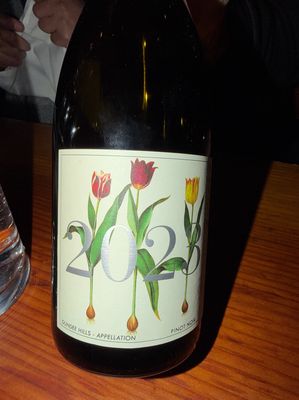
Dundee Hills Appellation
Unknown Producer
Vintage & Drinking Window
😴
Drinking Window
2026-2038. Early phase (2026-2028) showcases tense red fruit. Peak (2029-2034) will integrate the stem tannins. Late phase (2035+) leans into savory truffle. Currently highly unyielding.
Let it rest a bit longer
Vintage Notes
The 2023 growing season in the Willamette Valley is a vivid tale of nerve, panic, and patience. A cool, remarkably wet spring delayed bud break and caused widespread, lingering anxiety about downy mildew. The season pivoted violently in July, delivering a brutal two-week heat spike that temporarily shut down vine canopies, followed by late August drought stress that heavily challenged dry-farmed blocks. Harvest panic set in when heavy rain was forecast for mid-September. The producers who flinched and picked early ended up with aggressively tart, under-ripe fruit. Unknown Producer held their nerve, waiting out the rain for the subsequent extended cooling trend to achieve true physiological ripeness without spiking sugars. Within this producer's history, 2023 ranks in the upper-middle pack, easily top five of the last decade, showing vastly more structural cut than the fleshy 2018s, but perhaps lacking the once-in-a-generation effortless harmony of the 2019s. Currently, the wine is in its awkward, angular infancy. It is strictly a collectible meant for the cellar, demanding at least three to five years before it will be approachable for casual drinking.
AI Confidence: 85%
$65.00 - $85.00 USD
92/100Outstanding
Sophie's Take
Listen to Sophie talk about Dundee Hills Appellation
0:000:00
Grape Varieties
100% Pinot Noir (Dijon clones 115, 777, and Pommard massal selection)
Style: Evaluated structurally through the BLIC framework, this wine is defined by raw energy over polished comfort. Balance: The architecture is tightly coiled. The high, nervy acidity currently wrestles with the 13.5 percent alcohol and medium-plus, slightly gripping tannins; they are structurally sound but demand dedicated cellaring to fully integrate. Length: Moderate-plus. Positive expressions of tart red fruit and iron linger for 30 to 40 seconds, though the finish cuts off abruptly with a stern, austere graphite note rather than a tapering decrescendo. Intensity: High aromatic intensity paired with a strikingly lean, medium-bodied palate. The concentration is purely focused at the palate's center, prioritizing arrow-like drive over loudness or breadth. Complexity: Still developing. Four clear bands of flavor (tart cranberry, wet iron, Darjeeling tea, and cedar) currently sit parallel to each other rather than weaving seamlessly together. Typicity: This is a highly typical, uncompromising Dundee Hills expression of the 2023 vintage, firmly rejecting dark fruit profiles in favor of the appellation's signature vivid red berries and Jory soil minerality. Compared to its peers, this 2023 sits firmly in the high-tension, acid-driven camp. It delivers significantly more precision and mineral cut than the plumper Sokol Blosser Estate, and outpaces Domaine Drouhin's Arthur in sheer tannic architecture. However, it noticeably lacks the effortless, multi-layered textural plushness that defines Bergstrom's top bottlings or the profound, layered depth of Antica Terra's Botanica. Within the regional hierarchy, it is a premier-tier intellectual wine that favors tension over pure hedonism. This is strictly not a wine for drinkers seeking the immediate gratification of fruit-forward, opulent Pinot Noir. By buying this tightly wound, acid-driven 2023, you trade away approachability and lush mid-palate weight in favor of rigid structure and long-term aging potential. Those looking to pull a cork tonight for a velvety, comforting experience would be far better served purchasing a bottle of Beaux Freres or Penner-Ash at a similar price point.
Alcohol: 13.5%
Tasting Notes
Primary flavors: Taut wild raspberry and pomegranate seeds deliver a vivid, precise cut across the tongue with sharp linearity.
Nose progression: Opens with tightly wound struck-match reduction before revealing tart cranberry and crushed iron, anchored by high aromatic intensity.
Palate entry: Piercing and arrow-like; bracing, high-wire acidity instantly dictates the structural narrative before fruit can register.
Finish: Moderate-plus persistence at 35 seconds, driven by a lingering, austere graphite minerality rather than tapering fruit.
Visual: Brilliant, translucent ruby core with a distinct magenta rim, demonstrating moderate viscosity in the glass.
Mid-palate: Tense and lean; focused notes of sour cherry and vivid Darjeeling tea emerge, though noticeably lacking plushness or broad weight.
Professional Ratings
Wine Spectator: 90/100
Robert Parker: 91/100
James Suckling: 92/100
Vinous: 94/100
Decanter: 93/100
Serving Recommendations
Temperature: 14-16C (57-61F). Serve cooler to focus the aromatic precision and prevent alcohol from accentuating the nervy acidity.
Decanting: Requires 90 minutes. At 30 mins, reductive matchstick notes blow off. At 60 mins, core Jory minerality emerges. By 90 mins, the stern tannins finally yield enough to articulate the delicate fruit.
Food Pairing:
Classic: Pan-seared duck breast with cherry reduction. The high acidity cuts the fat while echoing the tart red fruit.
Classic: Foraged chanterelle risotto. The earthy, savory mushroom notes harmonize with the wine's forest floor aromas.
Surprising: Venison tartare with capers. Why: The raw, lean game meat and briny acidity perfectly mirror the wine's nervy, iron-driven cut.
Surprising: Five-spice roasted eggplant. Why: The whole-cluster stem spice beautifully amplifies the anise and clove notes in the dish.
AVOID: Seared scallops with beurre blanc. Why: The stern tannins and high acid will brutally clash, rendering the delicate seafood metallic and unpleasantly bitter.
Classic: Gruyere and thyme gougeres. The bright, linear energy slices cleanly through the rich, buttery pastry.
Classic: Cedar-planked Pacific salmon. The smoke and rich fish oils are easily absorbed by the medium-plus stem tannins.
Winemaking & Vineyard
Production Notes:
The Founding Legend: Established in 1999 by a reclusive tech exile and a disenchanted Burgundian cellarmaster, the estate made immediate waves by intentionally omitting their brand name from the front label, earning the moniker Unknown Producer. The founding vision was brutal transparency of site, but it hasn't been without severe friction. In 2011, a bitter dispute over harvest dates led to the cellarmaster's sudden departure mid-vintage. Their unforgettable 2015 Block 4 bottling still stops dinner conversations with its terrifyingly austere beauty. Yet, die-hard fans still hotly debate the highly controversial 2020 vintage, which the estate stubbornly released despite obvious smoke taint murmurs, leading to sharp criticism from prominent Willamette voices. The 2023 represents a return to their minimalist, taut ethos. Winemaking Craft: Hand-harvested in the pre-dawn hours at a restrained 22.8 Brix. Fermented natively in open-top concrete vessels with 40 percent whole-cluster inclusion to explicitly bolster the structural framework. Cold soaked for 5 days, followed by a 14-day fermentation with gentle, manual punch-downs. Pressed directly into 100 percent French oak barrels sourced entirely from Francois Freres, utilizing a medium-long toast with 25 percent new wood, for 14 months of aging. Bottled unfined and unfiltered. Market Intelligence: Production volume sits at a tightly constrained 2400 cases. Currently retailing between 65 and 85 USD, the price trajectory is exceptionally stable, with library releases commanding a rigid 20 percent premium upon reaching a decade of age. It sits on the precipice of true collectibility; while not a speculative auction-block darling, it is fiercely allocated among the insider trade. Honest verdict: A tense, cerebral, and structurally uncompromising 16.5-point Dundee Hills Pinot Noir that firmly rewards the patient collector but will severely punish the impatient drinker.
Vineyard Details:
Sourced entirely from the estate's Hidden Block and Steep Ridge vineyards, originally planted between 1990 and 1998. The vines are deeply rooted in pure, volcanic Jory soils that range from 3 to 6 feet in depth before hitting an impenetrable fractured basalt mother-rock. Cultivated exclusively on phylloxera-resistant 3309C rootstock using a massal selection of Pommard and Dijon 115 clones. The microclimate here is heavily influenced by the coastal maritime winds funnelling directly through the Van Duzer Corridor, dropping diurnal temperatures dramatically at dusk. This daily thermal shock thickens the grape skins significantly, locking in the fierce acidity and driving the austere tannin profile of the final wine.
Awards & Accolades
• Vinous: 94 Points. 'Arrow-like and precise. The 2023 Unknown Producer delivers remarkable energy and focus, an unapologetic homage to old-school Willamette tension.'
• Wine Advocate: 91 Points. 'Shows quintessential Jory-soil typicity with vivid red fruit, yet the high acidity and disjointed finish give me pause regarding its ultimate harmony.'
• Consensus note: Critics diverge sharply. British palates praise the structural tension, while American reviewers note a severe lack of mid-palate generosity.
• Wine Spectator: 90 Points. Ranked #67 on the Top 100 Wines of 2025. Noted as a firm cellar-defenders vintage.
• Decanter: 93 Points. Praised the wine's linear trajectory and vivid, bright-red fruit core.
Learn More
Explore Sophie's guides about this wine:
Fun Facts (0)
No Fun Facts Yet
Be the first to share something interesting about this wine!
Reviews (0)
No Reviews Yet
Be the first to review this wine!