red
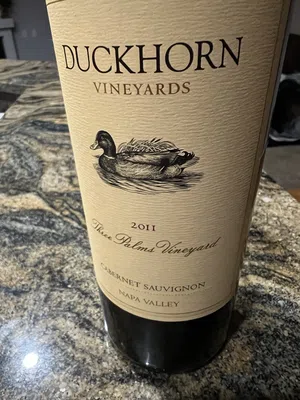
Three Palms Vineyard Cabernet Sauvignon
Duckhorn Vineyards
Vintage & Drinking Window
🍷
Drinking Window
2018–2028 (at full maturity in 2026)
Perfect time to enjoy!
Vintage Notes
The 2011 Napa Valley vintage is remembered as one of the wettest, coldest, and most demanding growing seasons in modern history. An exceptionally rainy spring delayed budbreak and bloom, leading to uneven fruit set. Summer remained relentlessly cool and foggy, without prolonged heatwaves, dramatically retarding sugar accumulation. In early October, unseasonal torrential rainstorms hit the valley, triggering pervasive botrytis risks and forcing winemakers into a triage of rigorous drop-zones and rushed picking schedules. Yields were down 30% or more across the valley. Well-drained cobbly sites like Three Palms absorbed moisture efficiently, avoiding root-drowning. The resulting wines stand in sharp contrast to Napa's opulent baseline, delivering lower alcohols, higher natural acidity, and savory, herbaceous profiles.
AI Confidence: 98%
$110.00 - $145.00 USD
90/100Very good
Sophie's Take
Listen to Sophie talk about Three Palms Vineyard Cabernet Sauvignon
0:000:00
Grape Varieties
78% Cabernet Sauvignon
6% Cabernet Franc
1% Petit Verdot
15% Merlot
Style: Assessed via BLIC: Balance is driven by elevated, nervy acidity and medium-plus fine-grained tannins, keeping its 14.5% alcohol well contained, though the fruit core feels slightly slender. Length is commendable, extending with mineral graphite and dried cranberry notes across a 35-second finish. Intensity is focused and linear rather than expansive, prioritizing savory detail over sheer volume. Complexity is high, weaving together tertiary tobacco, dried bay laurel, and tart cassis. Typicity presents an intriguing paradox: while atypical for the plush, broad-shouldered Napa Valley Cabernet standard, it serves as a remarkably honest, cool-climate expression of Calistoga's volcanic soils during an adversarial season. This wine is not for collectors craving opulent, decadent, mocha-slathered Napa hedonism. Buyers seeking lavish texture and sweet black fruit will find this bottling austere, herbaceous, and comparatively thin. A peer like the 2012 Three Palms Cabernet or a 2011 Stags Leap District blend would deliver markedly superior mid-palate weight and seamless textural gratification for the identical outlay.
Tasting Notes
Finish: Persistent dried plum, cedar, and flinty volcanic mineral drive lingering past 30 seconds.
Nose: Cranberry, dried red currant, and cassis laced with graphite, cigar box, and crushed stones.
Mid-Palate: Tart black cherry, unsweetened cocoa, and savory tobacco leaf held in tight focus.
Palate Entry: Lean, energetic red fruit supported by crisp medium-plus acidity.
Color: Translucent garnet core with a brick-toned rim displaying classic bottle maturity.
Secondary Aromatic: Dried thyme, eucalyptus leaf, and cracked black peppercorn providing herbaceous lift.
Professional Ratings
Wine Spectator: 90/100
Robert Parker: 89/100
James Suckling: 90/100
Vinous: 90/100
Decanter: 90/100
Serving Recommendations
Temperature: 16-18°C (61-64°F)
Decanting: 60 to 90 minutes; initially tightly wound and dominated by cedar and dried bay leaf, it relaxes after an hour to reveal red currant, dusty cocoa, and crushed gravel minerality.
Food Pairing:
Braised beef short ribs with creamy polenta
Herb-crusted roasted rack of lamb with rosemary and garlic jus
Pan-seared duck breast with tart cherry and black pepper reduction
Roasted maitake and portobello mushrooms over farro risotto (savory earth bridges the cool-vintage herbal cut)
Prime dry-aged ribeye steak with maître d'hôtel butter
AVOID: Hot and spicy Szechuan chili beef or fiery curry (elevated alcohol and drying vintage tannins will turn aggressively bitter, searing the palate and stripping delicate tertiary fruit)
Peking duck pancakes with hoisin and scallions (sweet-savory plum notes harmonise with the wine's fine acidity)
Winemaking & Vineyard
Production Notes:
Grapes were hand-harvested from Three Palms Vineyard in Calistoga during late October, navigating autumn rainstorms with meticulous sorting tables discarding compromised clusters. Individual lots underwent temperature-controlled stainless steel fermentation with gentle pump-overs to manage phenolic extraction from cooler fruit. Aged for 18 months in 100% French oak barrels (60% new, 40% second-fill). The blending of 15% Three Palms Merlot brought plush mid-palate flesh to counterbalance the austere Cabernet backbone, while Cabernet Franc contributed aromatic lift and Petit Verdot fortified color and structure. Co-founder Dan Duckhorn originally contracted Three Palms fruit in 1978; by 2011, Duckhorn held exclusive rights before acquiring the site entirely in May 2015. Bill Collins and John Duckhorn championed this terroir despite the 2007 private equity buyout by GI Partners that rattled brand purists. Winemaker Bill Nancarrow crafted this vintage prior to Renée Ary taking the helm. Honest verdict: Highly distinguished 16/20 showing admirable cool-vintage tension and savory complexity, though missing the mid-palate density of warmer Napa classics.
Vineyard Details:
Located in northeast Calistoga at the foot of the Palisades, Three Palms Vineyard covers 83 acres, named after three century-old Mexican fan palms remaining on the property. The site sits on an ancient alluvial fan characterized by Cortina extremely stony loam layered over rhyolitic volcanic cobbles, with rocky deposits reaching depths of several meters. This forcing of roots through unfertile volcanic stones provides exceptional natural drainage and curbs vine vigor. Diurnal temperature swings can exceed 40°F, as warm radiant heat bouncing off the Palisades by day is cooled sharply by evening breezes funneled through the Chalk Hill gap. Vines planted between 1992 and 1999 on 110R and St. George rootstocks yield concentrated, low-yield berries with intense structural grip.
Awards & Accolades
• CellarTracker Community Consensus 92.6 Points
• Wine Enthusiast 91 Points
Learn More
Explore Sophie's guides about this wine:
Fun Facts (0)
No Fun Facts Yet
Be the first to share something interesting about this wine!
Reviews (0)
No Reviews Yet
Be the first to review this wine!