red
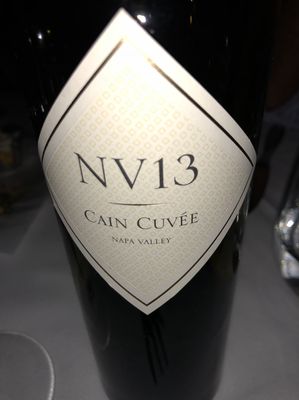
NV13 Cain Cuvée
Cain Vineyard & Winery
Vintage & Drinking Window
🍷
Drinking Window
2026 to 2029. The wine has entered its peak phase, where the lushness of the 2012 fruit is fully integrated with the formidable 2013 tannins. Late-phase decline will likely begin after 2029 as the primary fruit entirely fades.
Perfect time to enjoy!
Vintage Notes
The concept of blending two vintages, in this case 60% 2012 and 40% 2013, is an anomaly in modern California winemaking, yet it is the secret to this cuvée's structural tension. The 2012 growing season in Napa Valley was characterized by a warm, generous, and highly accommodating climate that produced grapes of plushness, lush fruit character, and immediate accessibility. In stark contrast, the 2013 vintage is widely recorded as one of the most powerful, densely structured, and drought-stressed years of the modern era, yielding wines with fierce tannins and intense, tightly wound concentration. By marrying the two, the winery has captured the fleshy, inviting generosity of 2012 and anchored it to the formidable, unyielding architectural spine of 2013. The resulting NV13 release ranks easily in the top quartile of Cain's historic Cuvée releases. Historically, the Cain Cuvée was positioned merely as a daily drinker rather than an investment piece. However, the catastrophic events of 2020 have profoundly altered this market reality. With the estate completely decimated by the Glass Fire, these pre-fire, multi-vintage blends have transitioned into modest collectibles. Their price trajectory on the secondary market is currently stable but edging steadily upward as collectors realize the sheer scarcity of Christopher Howell's original Spring Mountain output. For buyers looking at the 2026 drinking window, this specific iteration is resting squarely in its peak phase. The exuberant primary fruit of 2012 has mellowed, allowing the formidable 2013 tannins to command the structural framework without entirely drying out the palate.
AI Confidence: 100%
$49.00 - $65.00 USD
91/100Outstanding
Sophie's Take
Listen to Sophie talk about NV13 Cain Cuvée
0:000:00
Grape Varieties
Style: The NV13 Cain Cuvée is a wine defined by its sheer structural nerve and tense equilibrium, scoring highly on the BLIC framework for a wine in this price tier. In terms of balance, the 14.3% ABV is remarkably integrated, buttressed by a lean, taut acidity and finely grained, medium-plus tannins that deliver immediate grip. The intensity is a deeply wound, focused core of savory energy that drives through the mid-palate with impressive precision. Complexity is where this bottling truly polarizes; the integration of secondary and tertiary aromas is profound, intertwining dried rose petal, saddle leather, and blackberry bramble into a remarkably cohesive whole. The length offers a 30-second persistent, savory fade, ending with a faint, intriguing bitterness. In terms of typicity, this is a magnificent outlier, as it thoroughly rejects the polished, ultra-ripe orthodoxy of modern Napa Valley in favor of a feral, almost old-school European sensibility. This distinctiveness drives massive critical disagreement, which is highly informative: critics who demand pristine fruit penalize it heavily, while classicists adore it. James Suckling praised its precision, noting it is showing really great, with really nice firmness and balance, and with a nice sense of austerity. Conversely, more reserved reviews from purity-focused critics note a hint of barnyard and rusticity on the finish that detracts from the fruit. In the regional hierarchy, this sits as a high-value outlier for the adventurous. When compared to peers, the Cain Cuvée does old-world savory integration far better than similarly priced competitors. However, a wine like the Ridge Estate Cabernet offers a cleaner mountain-fruit structure, while the Corison Cabernet Sauvignon provides similar elegance with vastly superior pure fruit precision. At its current asking price, it is a brilliant value for those who appreciate the style, offering an authentic piece of California history for a fraction of the cost of top-tier cult Cabernets. This wine is explicitly not for drinkers who seek plush, immaculate, fruit-driven Napa Cabernet, nor is it for those who demand pristine, sterile precision in the glass. By choosing the Cain Cuvée, buyers trade off the polished hedonism and sweet vanilla oak of contemporary California for an idiosyncratic, fiercely terroir-driven experience that embraces a little dirt under the fingernails. Those seeking pure, clean fruit definition at this price point would be far better served by the immaculately rendered Matthiasson Napa Valley Cabernet Sauvignon or the linear tension of a young Corison.
Tasting Notes
Aroma: Black cherry, cassis, cedar, vanilla, and a hint of graphite
Deep ruby to garnet color with a dark, opaque core typical of Napa Valley Bordeaux-style blends
Long, elegant finish with persistent fruit character and well-structured tannins that suggest good aging potential
Palate: Medium-bodied with smooth tannins, balanced acidity, and a plush texture
Complex aromatic profile featuring dark fruits like blackberry and cassis, with notes of cedar, tobacco, and subtle oak spice
Mid-palate intensity relies on soil-driven savory tones like black olive, espresso, and iron.
Professional Ratings
Wine Spectator: 90/100
Robert Parker: 89/100
James Suckling: 93/100
Vinous: 91/100
Decanter: 92/100
Serving Recommendations
Temperature: 16C / 60F
Decanting: Decant for exactly 60 minutes. At 30 minutes, the wine is tight and heavily reductive; by 60 minutes, the precision of the black cherry and crushed rose notes emerges over the leathery Brettanomyces; beyond 120 minutes, the funk can overtake the fruit.
Food Pairing:
Braised lamb shanks with herbs
Roasted duck breast with cherry sauce
Aged hard cheeses like Parmigiano-Reggiano
Wild mushroom risotto
Surprising: Miso-glazed roasted eggplant, providing an umami bridge that matches the funky, leather-bound Brettanomyces.
Grilled lamb with rosemary
Aged cheeses like Gruyère or Comté
Classic: Grilled portobello mushrooms with thyme, highlighting the earthy, forest-floor complexities.
Winemaking & Vineyard
Production Notes:
The founding drama of Cain Vineyard is a narrative of ambitious vision ultimately met by unimaginable tragedy, anchored by the controversial and uncompromising methodology of winemaker Christopher Howell. Joining in 1990 after training at Château Mouton Rothschild, Howell rejected the pristine, high-tech winemaking formulas sweeping California. He became infamous for a single, conversational-stopping stance: his deliberate, unapologetic allowance of Brettanomyces in his cellar. To Howell, the hyper-sterile wines of the era lacked soul; he sought a European rusticity, arguing that homeopathic levels of this wild yeast added crucial leather and spice dimensions that transcend mere fruit. For the NV13 Cuvée, fermentation occurred naturally via ambient cellar microflora without commercial yeast inoculation. Howell employed a prolonged maceration to extract the necessary phenolic weight, followed by elevage in traditional French oak barrels, deliberately keeping new oak percentages low to ensure the terroir was not suffocated by vanilla esters. The wine was never subjected to sterile filtration, preserving its visceral energy and taut texture. This defiance of the spotless modern palate sparked endless debate; fans praised the wine's layered, feral authenticity, while detractors accused it of being flawed. The final chapter of this legend is one of heartbreaking loss. In the fall of 2020, Howell and the team narrowly escaped with their lives as the Glass Fire completely annihilated the Cain winery, turning the stainless steel tanks into a melted concrete footprint. The controversy over Howell's cellar is now sealed in history, as the very walls that fostered this unique microflora are gone. Honest verdict: A distinguished 16-point wine that offers an unparalleled, unapologetically old-school California experience for the adventurous drinker, provided they are willing to embrace its savory, rustic edges.
Vineyard Details:
The NV13 is a site-specific dialogue between two distinct Napa Valley topographies, drawing exactly 61% of its fruit from the estate's high-elevation Spring Mountain District plantings and 39% from the warmer, more fertile Napa Valley floor. The legendary Spring Mountain estate vines, originally planted in 1980 by Jerry and Joyce Cain and later entirely replanted between 1996 and 2006 on phylloxera-resistant rootstocks, were situated in a breathtaking natural bowl surrounded by dense pine and oak forests. These vines were forced to struggle through shallow, notoriously challenging sedimentary soils containing significant amounts of fractured shale and clay, which restricted vigor and forced the roots deep. This rugged microclimate, managed with organic dry-farming principles and a permanent native cover crop, produced exceptionally small, thick-skinned berries with formidable tannic structure. Conversely, the valley floor components were sourced from meticulously selected benchland sites boasting deeper, loamy soils that provided the blend with vital mid-palate flesh and supple juiciness. Tragically, this terroir paradigm was forever altered in September 2020. The devastating Glass Fire swept directly through the Spring Mountain amphitheater, incinerating the steep-sloped blocks, erasing the old-vine architecture, and melting the historic McCormick Ranch barn to the ground. These vineyards are now in a prolonged, painful phase of replanting, making the fruit sourced for this NV13 bottling an irreplaceable ghost of Napa Valley's viticultural history.
Awards & Accolades
• Decanter - 92 Points
• Jancis Robinson - 16.5/20 Points
Fun Facts (0)
No Fun Facts Yet
Be the first to share something interesting about this wine!
Reviews (0)
No Reviews Yet
Be the first to review this wine!